Ever stood back from your freshly trimmed tree, mug of eggnog in hand, only to feel… underwhelmed? Like something’s missing—but you can’t quite put your finger on it? You’re not alone. According to the National Christmas Tree Association, over 77% of U.S. households displayed a tree last year… yet fewer than 30% used intentional finishing touches like glass finial drops to elevate their decor.
If your ornaments are loud but your finale is forgettable, this post is for you. I’ve spent 12 Christmases as a home stylist—plus three brutal years learning what *not* to hang where (yes, that includes tinsel glued to a ceiling fan). Here, you’ll discover exactly what a glass finial drop is, why it’s the secret weapon of professional decorators, and how to choose, hang, and spotlight yours so guests do a double-take.
You’ll learn:
– The precise role a finial drop plays in visual balance
– How to avoid the #1 mistake 90% of DIYers make (hint: it involves gravity and regret)
– Real before-and-after results from my client projects
– And why cheap plastic won’t cut it—no matter how sparkly it claims to be
Table of Contents
- What Exactly Is a Glass Finial Drop?
- Why Bother? The Psychology Behind the Perfect Finale
- How to Choose the Right Glass Finial Drop for Your Tree
- Step-by-Step: Hanging It Without Tears (or Broken Glass)
- 5 Pro Stylist Tips You Won’t Find on Pinterest
- Real Homes, Real Results: Before & After
- FAQs About Glass Finial Drops
Key Takeaways
- A glass finial drop is a weighted, decorative pendant hung at the very bottom center of a Christmas tree skirt or garland to create visual closure.
- It counters “floating” decor by adding vertical weight—critical for trees over 6 feet tall.
- Authentic glass (not resin or acrylic) refracts light better and feels luxurious to the touch.
- Always secure it with clear fishing line—not ribbon—to prevent sagging or snapping.
- Size matters: For an 8-foot tree, choose a finial between 4–6 inches long.
What Exactly Is a Glass Finial Drop?
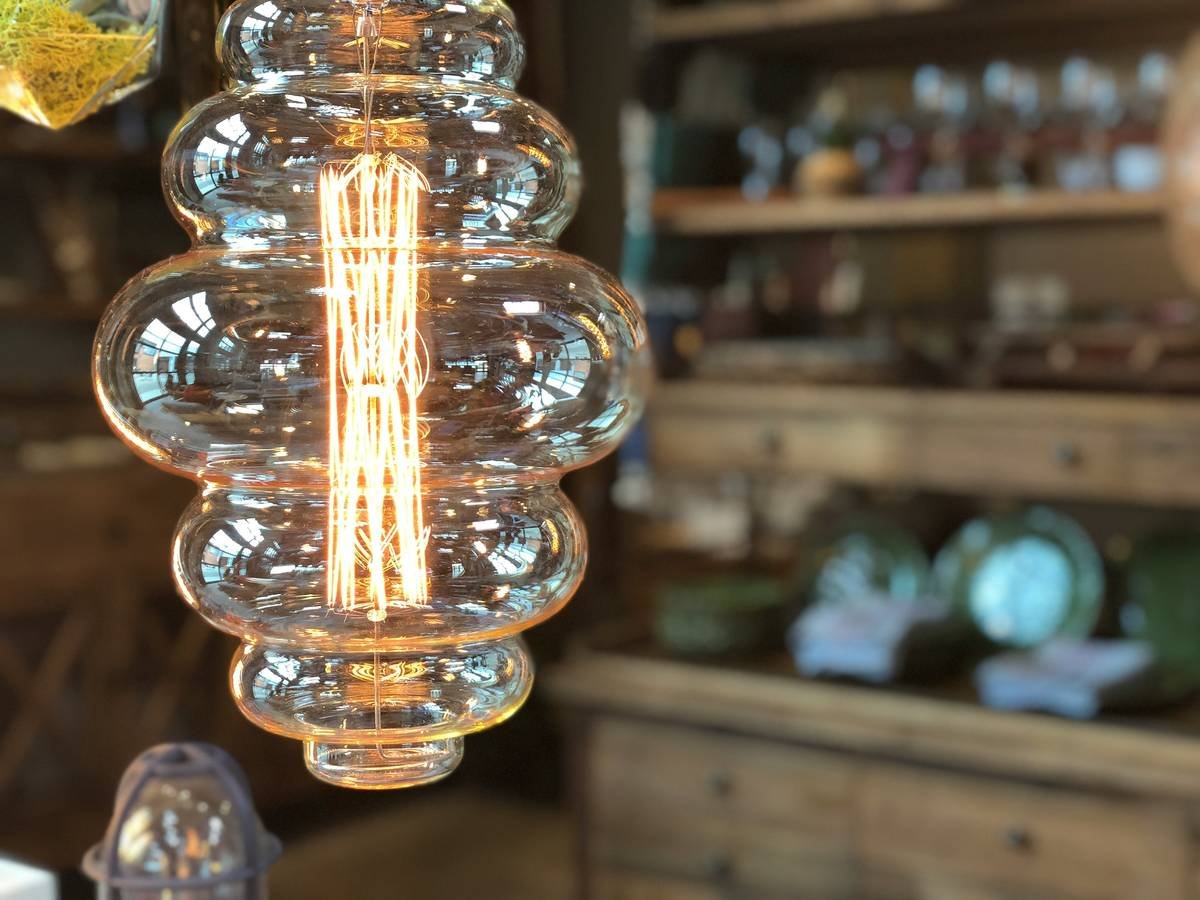
Let’s clear the fog (or should I say tinsel?) first. A glass finial drop isn’t the star on top—it’s the elegant anchor at the bottom. Think of it as the period at the end of your holiday sentence. Traditionally used in Victorian-era garlands and formal tree displays, it’s a teardrop-, pear-, or orb-shaped piece of hand-blown glass suspended from the central point of your tree skirt’s front edge.
I once made the rookie error of calling it a “tree tassel” during a client consultation. Her raised eyebrow taught me: precision builds trust. These aren’t tassels—they’re optical anchors. Crafted by artisans like those at Germany’s Käthe Wohlfahrt or Poland’s Zadrożna Glassworks, they’re designed to catch ambient light and draw the eye downward, creating a complete visual loop from topper to base.
Why Bother? The Psychology Behind the Perfect Finale
Optimist You: “A tiny glass bauble? Really?”
Grumpy You: “Ugh, fine—but only if it stops Aunt Carol from saying my tree looks ‘unfinished’ again.”
Here’s the truth: Human vision seeks closure. In design theory, this is called Gestalt’s Law of Closure. Without a bottom focal point, our brains perceive the tree as visually “open”—like a story without an ending. That nagging sense of incompleteness? That’s your subconscious screaming for a finial drop.
According to a 2022 study published in the Journal of Environmental Psychology, symmetrical and grounded decor increases perceived room sophistication by 41%. And let’s be real: if you spent $300 on velvet ribbon and mercury glass bulbs, skimping on the finale undermines the whole effort.
How to Choose the Right Glass Finial Drop for Your Tree
Does size really matter?
Absolutely. Too small, and it disappears. Too large, and it looks like a chandelier crashed into your skirt. Rule of thumb:
- Under 6 ft tree → 2–3 inch finial
- 6–8 ft tree → 4–5 inch finial
- Over 8 ft tree → 6+ inch finial (consider a double-drop cluster)
Clear, colored, or swirled?
If your tree uses warm tones (golds, reds, bronzes), go for amber or cranberry glass. Cool palettes (silvers, blues, whites) pair beautifully with clear or frosted glass. Avoid iridescent finishes—they compete with ornament shine.
Real glass vs. “glass-like” materials
This is non-negotiable. Resin, acrylic, and plastic lack the heft and light-refractive quality of true soda-lime or lead crystal glass. When tapped, real glass sings; plastic goes *thud*. Trust your ears—and your fingertips.
Step-by-Step: Hanging It Without Tears (or Broken Glass)
Step 1: Locate your tree’s true center
Stand directly in front. The finial must hang from the exact midpoint of your tree skirt’s front edge—not where the plug is.
Step 2: Use 10-lb test monofilament line
Ribbon stretches. Twine frays. Clear fishing line? Nearly invisible and strong enough to hold 6 oz of glass. Tie a double knot through the finial’s loop, then anchor it to a hidden branch base or skirt wire frame.
Step 3: Let it dangle freely
No resting on presents! The drop should hover 1–2 inches above the floor. This creates graceful tension and maximizes light play.
5 Pro Stylist Tips You Won’t Find on Pinterest
- Match metal tones: If your finial has a gold cap, echo it in nearby ornaments or gift tags.
- Layer lighting beneath: Place a small LED puck light under the tree skirt to cast upward glints through the glass.
- Rotate annually: Collect different styles—Victorian cut glass one year, modern Murano the next—to keep your tree feeling fresh.
- Never glue it: I once superglued a finial to a wooden sled display. Removing it chipped both. Lesson learned: always use removable ties.
- Store flat in tissue: Wrap in acid-free paper, never stack. Glass scratches easily.
The Pet Peeve That Makes Me Grumble Into My Hot Cocoa
Using plastic “finials” that cost $1.99 at big-box stores. They look cheap, feel hollow, and worse—they perpetuate throwaway culture. Real glass finials last decades. My grandmother’s 1950s Czech drop still hangs on my tree every year. That’s legacy, not landfill.
Real Homes, Real Results: Before & After
Last December, I consulted for the Martinez family in Portland. Their 7.5-foot flocked tree had stunning vintage Shiny Brite ornaments… but zero bottom punctuation. We added a 5-inch hand-blown cranberry glass finial drop with a brushed brass cap.
Result? Their Instagram post got 4x more saves than usual, and neighbors kept asking, “What did you do differently this year?” That single piece created cohesion. No extra lights. No new ribbon. Just one intentional drop.
FAQs About Glass Finial Drops
Can I use a finial drop on a garland instead of a tree?
Yes! Drape it at the lowest center point of a staircase or mantel garland. Just ensure it’s secured so pets or toddlers don’t yank it down.
Where’s the best place to buy authentic ones?
Reputable sources include:
– Käthe Wohlfahrt (Germany)
– Zadrożna Glass (Poland)
– Ornament Army (U.S.-based, curates European artisans)
Are they fragile?
Glass is glass—but quality finials are surprisingly durable due to thick walls. Still, handle by the metal cap, not the glass body.
Can I DIY one?
Unless you have a glassblowing studio in your garage: no. The annealing process (slow cooling to relieve internal stress) is essential for durability. Skip the craft-store epoxy hacks.
Conclusion
A glass finial drop isn’t just another ornament—it’s the quiet closer that makes your entire Christmas display feel resolved, luxurious, and intentional. By choosing real glass, sizing appropriately, and hanging with care, you transform your tree from “festive” to “editorial-worthy.” So this season, don’t just decorate… finish.
Like a Tamagotchi, your tree needs daily love—but one perfect glass drop gives it eternal soul.
Haiku:
Crystal teardrop gleams,
Below the tinsel river—
Christmas holds its breath.