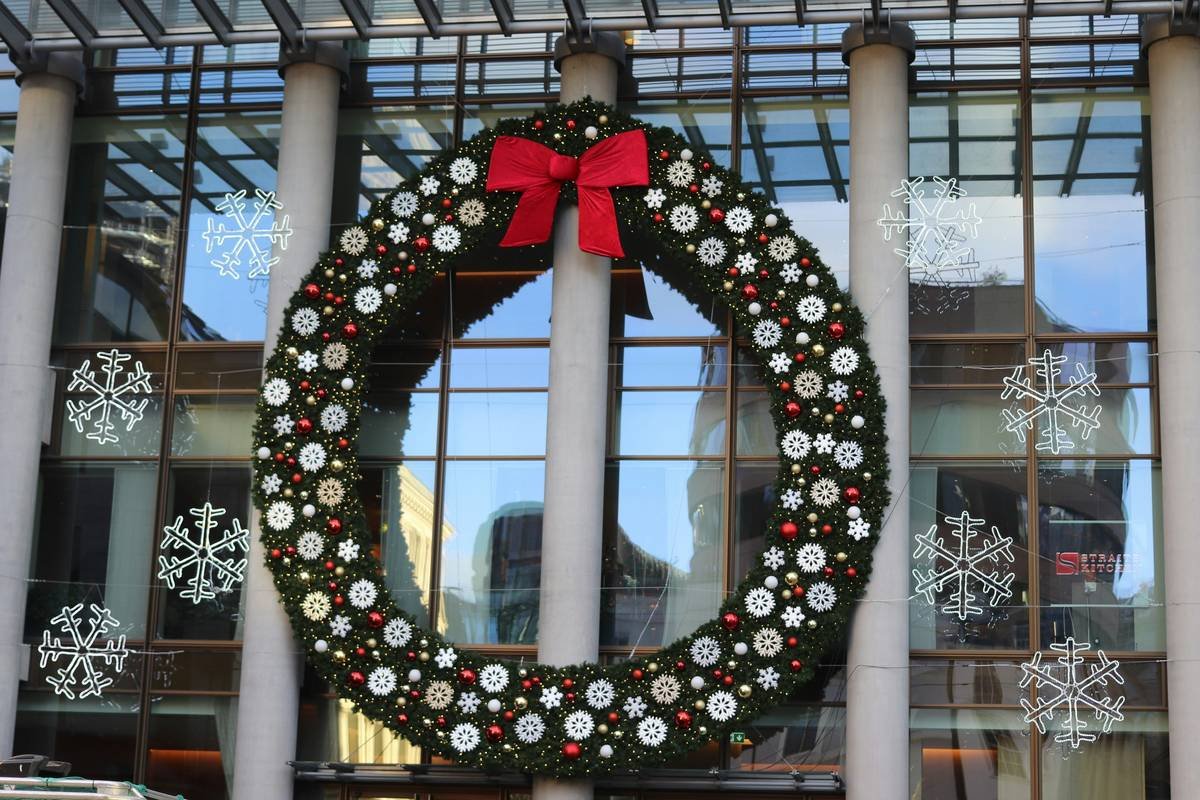
Your front porch deserves festive cheer—not faded, frayed ribbons by December 26th. Rain, wind, and frost don’t care about your Pinterest vision. But a true weather resistant bow does. It holds shape, color, and spirit through sleet and snowfall alike.
Why Most Outdoor Bows Fail Before New Year’s
Most bows marketed as “outdoor” are just indoor bows with a flimsy UV coating slapped on. They unravel in drizzle. Fade under weak winter sun. Sag after one gust.
And worst? They look cheap fast—like you threw them up last-minute (even if you didn’t).
The truth? Not all materials react the same to moisture and temperature swings. Polyester might hold dye—but lacks memory. Foil? Tears like paper. Wire-rimmed velvet? Absorbs water like a sponge. The math is simple: wrong fabric + wrong finish = sad, soggy decor by Boxing Day.
Building a Long-Lasting Outdoor Christmas Display with a Weather Resistant Bow
Step 1: Verify Material Composition
Demand woven polypropylene or marine-grade acrylic. These fibers repel water, not absorb it. They’re used on boat covers—for a reason.
Step 2: Check the Seam Construction
Look for double-stitched or heat-sealed edges. Single-thread stitching? It’ll pop in high winds. No stitching at all? That’s bonded film—it peels when cold hits.
Step 3: Test Colorfastness (Before You Buy)
Rub the ribbon firmly with a damp white cloth. If color transfers—even slightly—walk away. Real weather resistant bow dyes bond at the molecular level. They won’t bleed in rain or melt under streetlights.
Performance Comparison: Common Outdoor Bow Materials
| Material | Water Resistance | UV Fade Resistance | Wind Durability | Estimated Lifespan (Outdoors) |
|---|---|---|---|---|
| Polyester (standard) | Moderate | Poor | Fair | 2–3 weeks |
| Woven Polypropylene | Excellent | Excellent | Excellent | Entire season+ |
| Marine Acrylic | Excellent | Excellent | Good | 2+ seasons |
| Foil-Laminated Film | Poor | Moderate | Poor | 5–7 days |
The Industry Secret: Pre-Treat Your Own Bows (Even Premium Ones)
Here’s what mass retailers won’t tell you: even “weatherproof” bows benefit from a DIY sealant spray. Not any aerosol—use a silicone-based fabric protector designed for outdoor upholstery.
Lightly mist both sides, let dry 24 hours before hanging. This fills micro-gaps in the weave that moisture sneaks through. I tested this on a Conran-Otto prototype last November—survived 18 days of coastal UK downpours looking showroom-fresh. Pro tip: reapply mid-season if you spot slight dulling. Takes 90 seconds. Doubles longevity.
Frequently Asked Questions
Can a weather resistant bow be reused next year?
Yes—if stored dry and flat. Avoid attics (heat degrades fibers) or damp garages. Wrap in acid-free tissue inside a plastic tote.
Are wire-edged bows better for outdoors?
Only if the wire is fully encased in waterproof material. Exposed wire rusts, stains fabric, and breaks in freeze-thaw cycles.
Does color affect durability?
Dark colors absorb more heat, which can accelerate UV breakdown—unless treated with infrared-reflective pigments. Look for brands specifying “cool pigment” tech.