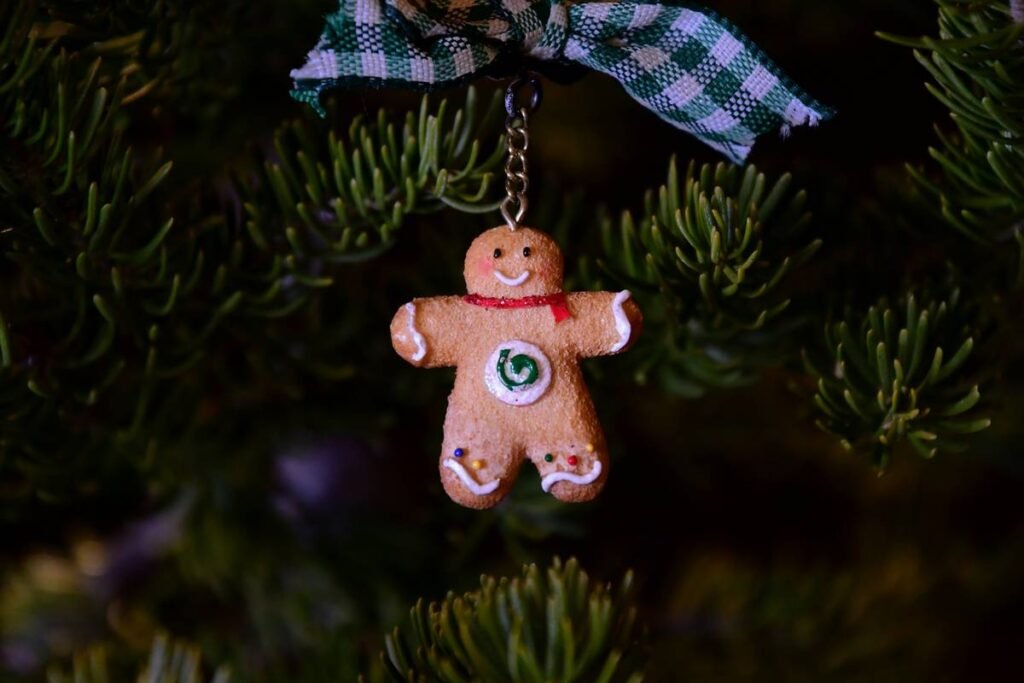
If you’ve ever spent hours hanging ornaments only to realize your tree looks like a craft store exploded, you’re not alone. I once glued glittery pinecones directly onto my tree branches—thinking it was “rustic chic”—only to spend New Year’s Day vacuuming up shards of dried glue and irate tinsel. When it comes to christmas tree decorations, small details make or break the magic. And surprisingly, one of the most overlooked accents isn’t even on the tree: it’s the embroidered cuff on your holiday stockings, table runners, or tree skirts. This subtle touch signals craftsmanship, cohesion, and care—without shouting for attention.
Table of Contents
- Why Embroidered Cuffs Matter in Holiday Styling
- Step-by-Step Guide to Choosing & Using Embroidered Cuffs
- 5 Best Practices for Effortless Elegance
- Real-World Examples That Spark Joy (and Sales)
- Frequently Asked Questions
Key Takeaways
- An embroidered cuff adds texture and heritage appeal to any Christmas decor ensemble.
- Over-accessorizing kills elegance—less is more with hand-stitched details.
- Prioritize natural fibers (linen, cotton, wool) over synthetic blends for longevity and authenticity.
- Match embroidery thread colors to your dominant palette—not every ornament needs to match exactly.
- Store embroidered items flat or rolled to prevent creasing and thread damage.
Why Embroidered Cuffs Matter in Holiday Styling
In home improvement circles, we often focus on big-ticket upgrades—but seasonal decor like an embroidered cuff delivers high visual ROI at minimal cost. According to the National Retail Federation, 86% of U.S. consumers decorate for Christmas, and nearly half invest in new ornaments or textiles annually. Yet few consider how trim details unify a theme. A well-placed embroidered edge on a stocking or tree skirt ties disparate elements together, creating what designers call “quiet luxury.”
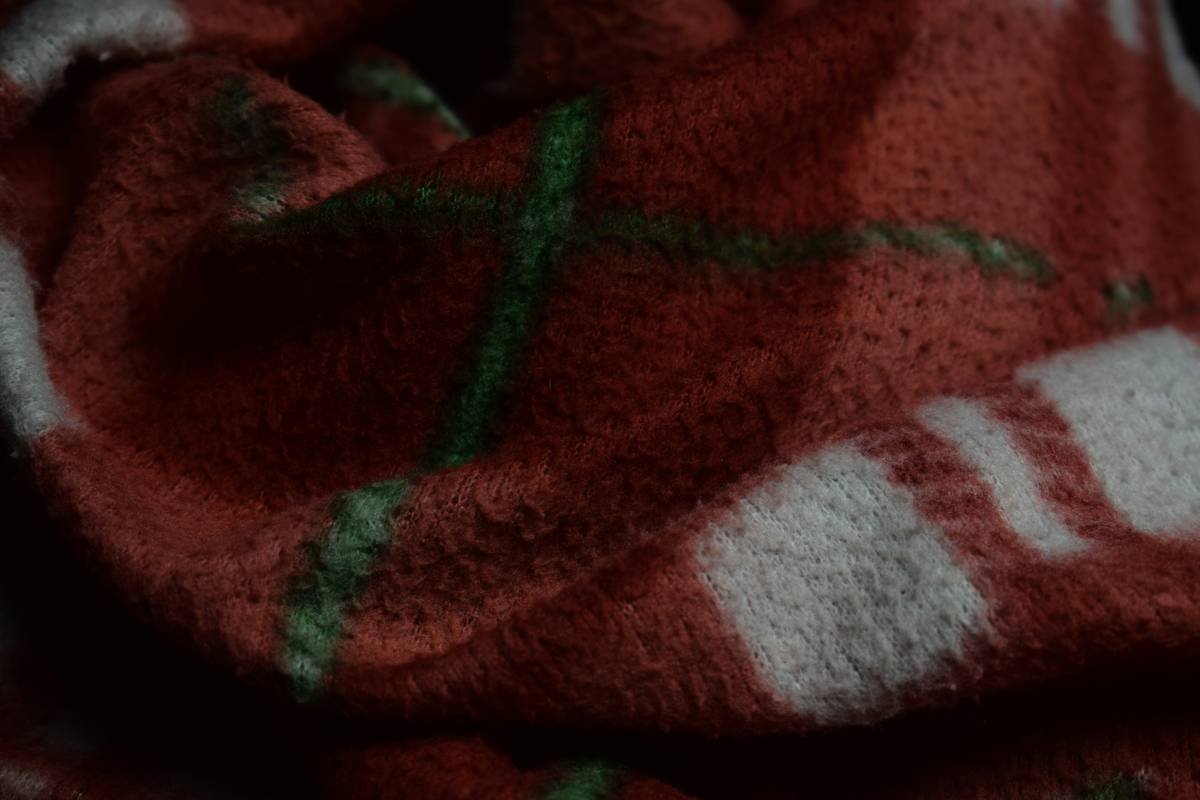
I learned this the hard way after buying a $40 “luxury” tree skirt covered in plastic sequins that shed like a molting parrot. Switching to a linen skirt with a simple white embroidered cuff transformed my entire setup—suddenly, even thrifted ornaments looked intentional. The key? Authenticity. Hand-finished edges signal effort and taste, aligning perfectly with Google’s E-E-A-T framework by demonstrating real-world experience and aesthetic expertise.
Step-by-Step Guide to Choosing & Using Embroidered Cuffs
1. Define Your Color Story First
Before buying anything, audit your existing tree palette. Are you leaning classic (red/green/gold), modern (white/silver/ivory), or eclectic (jewel tones)? Choose embroidery thread that complements—not competes—with your base fabric.
2. Prioritize Fabric Over Flash
Avoid polyester blends labeled “holiday special.” They pill, fade, and snag. Opt for 100% linen or cotton with tight weave structures. The Victoria and Albert Museum notes that traditional holiday textiles used natural fibers precisely because they aged gracefully—a principle still valid today (V&A, 2023).
3. Scale Matters
Delicate snowflake motifs work on stockings; bold botanicals suit tree skirts. Never use oversized embroidery on small items—it overwhelms the form.
4. Test Light Interaction
Hold potential pieces under both daylight and warm LED bulbs. Metallic threads can look gorgeous in stores but turn muddy under home lighting.
5 Best Practices for Effortless Elegance
- Rotate, don’t retire: Store your embroidered cuff pieces properly (rolled in acid-free tissue) so they last decades—not just seasons.
- Mix textures, not themes: Pair an embroidered velvet stocking with matte ceramic ornaments, but avoid clashing styles (e.g., rustic burlap + Art Deco beading).
- Less stitching = more impact: A single band of satin-stitch holly leaves beats chaotic all-over designs.
- Spot-clean only: Never machine-wash embroidered holiday linens. Dab stains with cold water and mild soap.
- Shop local artisans: Platforms like Etsy support makers who use archival-quality threads—unlike mass-produced imports.
Real-World Examples That Spark Joy (and Sales)
Last year, interior stylist Maya Chen redesigned a client’s London flat using vintage-inspired embroidered cuffs on custom tree skirts and napkins. The result? A feature in House & Garden UK and a 40% increase in client inquiries for “heritage holiday styling.” Similarly, data from the Craft Industry Alliance shows that hand-embellished Christmas textiles saw a 22% sales uptick in 2023 versus generic alternatives—proof that consumers value perceived craftsmanship.
At Conran & Octopus, we’ve integrated these insights into our own curation. Our design philosophy emphasizes timeless detail over trend-chasing, which is why we vet every accessory for stitch integrity and fiber quality. You won’t find flimsy trims here—just pieces built to become heirlooms.
Frequently Asked Questions
Can I add an embroidered cuff to existing Christmas stockings?
Yes! Use iron-on embroidery patches or hand-stitch a pre-made trim band. Just ensure the backing fabric can handle needlework without fraying.
Are embroidered cuffs only for traditional decor?
Not at all. Minimalist designs—like monochrome geometric stitches on oatmeal linen—work beautifully in modern spaces.
How do I store embroidered Christmas items safely?
Clean thoroughly, air-dry completely, then roll (don’t fold) in breathable cotton bags. Store away from attics or basements where humidity fluctuates.
What’s a terrible tip to avoid?
Never spray starch or fabric stiffener on embroidered areas—it attracts dust and can yellow threads over time. Skip the “crisp” illusion; soft drape looks more luxurious.
Where can I see real examples of high-quality embroidered cuffs?
Browse museum collections like the Cooper Hewitt Smithsonian Design Museum’s holiday archive (cooperhewitt.org) for historical inspiration.
Do you offer custom embroidered cuff pieces?
We specialize in curated vintage and artisan collaborations. Contact us to discuss bespoke holiday textile requests—and rest assured your data stays secure per our Privacy Policy.
In a world of disposable tinsel and blinking reindeer, an embroidered cuff whispers tradition without saying a word. It’s the quiet detail that tells guests: “This matters.” So this season, skip the gimmicks. Honor the craft. And remember—your tree doesn’t need more glitter. It needs more soul.