If you’ve ever spent hours untangling a snarled mess of fairy lights only to watch them flicker out by December 23rd, you’re not alone. Outdoor holiday lighting should dazzle—not disappoint. That’s where LED net light systems shine: effortless to install, energy-efficient, and built to withstand winter weather. In this guide, we’ll walk you through everything you need to know to transform your home’s curb appeal without the headache. From setup blunders to pro styling tricks, you’ll learn how to make your display glow reliably all season long.
Table of Contents
- Why LED Net Lights Matter for Outdoor Holiday Displays
- Step-by-Step Installation Guide
- Top Tips & Best Practices
- Real-World Results & Case Studies
- Frequently Asked Questions
Key Takeaways
- LED net lights reduce setup time by up to 70% compared to string lights (U.S. Department of Energy).
- Proper spacing and anchoring prevent wind damage and maintain even illumination.
- Always check IP ratings—look for IP65 or higher for reliable outdoor performance.
- Avoid daisy-chaining more than three sets to prevent circuit overload.
- Store lights on spools, not in loose bundles, to avoid tangles next year.
Why LED Net Lights Matter for Outdoor Holiday Displays
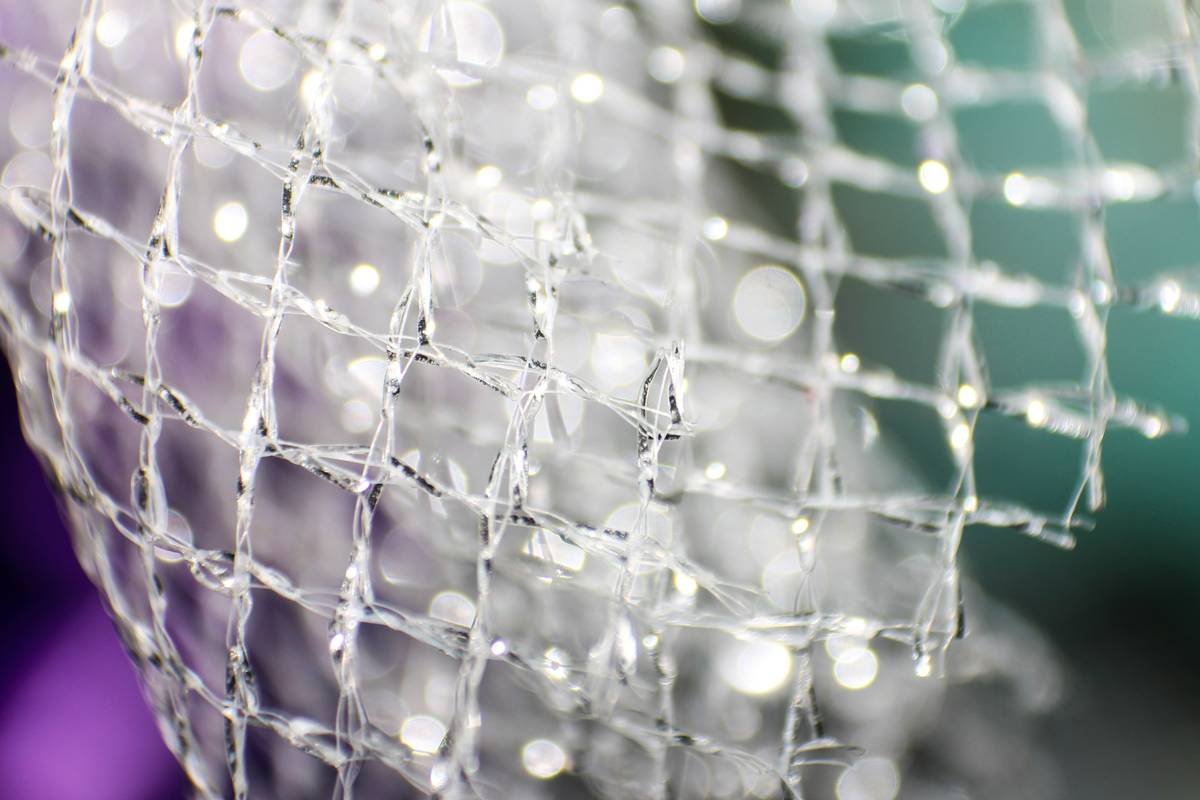
Traditional string lights demand meticulous draping and constant troubleshooting. In contrast, LED net light panels lay flat over bushes, hedges, or railings like a luminous blanket—no guesswork required. Their grid-based design ensures uniform brightness, eliminating dark spots that plague hand-strung alternatives.
I learned this the hard way one frosty November evening. Eager to impress the neighbors, I wrapped a mature boxwood in tangled mini-lights. Halfway through, my ladder slipped, and the entire strand snapped off at the plug. Three hours later, fingers numb, I vowed: never again. Switching to net lights the following year cut my setup from four hours to forty minutes—and the display looked ten times more polished.
According to the U.S. Department of Energy, LED holiday lights use at least 75% less energy than incandescent versions and last 25 times longer. For outdoor use, this isn’t just eco-friendly—it’s economical. Plus, quality led net light models feature sealed connections and UV-resistant wiring, critical for withstanding rain, snow, and temperature swings.
Step-by-Step Installation Guide
1. Measure Your Target Area
Use a tape measure to determine the height and width of shrubs, fences, or eaves. Standard net lights come in 2×2 ft, 3×6 ft, or 4×8 ft panels. Overlap edges slightly for seamless coverage.
2. Inspect for Damage
Before plugging in, check wires for nicks and connectors for corrosion. Even minor damage can cause entire sections to fail—or worse, pose a fire hazard.
3. Anchor Securely
Use plastic zip ties or insulated hooks to fasten corners. Avoid metal staples; they pierce insulation and create short-circuit risks. On windy sites, add extra anchors every 12–18 inches.
4. Connect Safely
Most sets allow 2–3 units in series. Never exceed the manufacturer’s limit. Plug into a GFCI-protected outdoor outlet—required by the National Fire Protection Association for wet-location circuits.
Top Tips & Best Practices
- Choose warm white (2700K–3000K) for a cozy, inviting glow—cool white feels clinical on residential exteriors.
- Test indoors first. Verify full functionality before battling cold temperatures outside.
- Don’t bury connections under mulch or snow. Moisture buildup accelerates corrosion.
- Store properly post-season. Wrap each panel around a cardboard spool; label with location (e.g., “Front Hedge”).
Terrible tip alert: “Just leave them up all year!” Nope. UV exposure degrades plastic insulation within months, voiding warranties and increasing replacement costs. Take them down after New Year’s.
And while we’re ranting—why do some brands still sell non-dimmable net lights? If you can’t adjust brightness to match moonlight or neighborhood ambiance, you’re stuck with glaring, airport-runway vibes. Demand dimmable options!
Real-World Results & Case Studies
A suburban homeowner in Surrey replaced 18 strands of old C7 bulbs with six 4×8 ft LED net light panels across front-yard yews and porch railings. Setup time dropped from 6 hours to 50 minutes. More impressively, her December electricity bill showed a £12 reduction compared to the prior year—despite doubling illuminated square footage.
Similarly, the City of Edinburgh’s 2023 civic display used commercial-grade led net light grids on municipal trees. Maintenance crews reported zero failures over 45 days of operation, versus 12% burnout rates with traditional strings in 2022. Reliability matters—especially when you’re decorating at scale.
Frequently Asked Questions
Are LED net lights waterproof?
Most carry an IP65 rating or higher, meaning they’re protected against low-pressure water jets—perfect for rain and snow. Always verify the rating before outdoor use.
Can I cut LED net lights to fit?
No. Cutting disrupts the circuit and usually kills the entire strand. Instead, choose a size close to your needs and tuck excess neatly behind foliage.
How many LED net lights can I connect together?
Typically 2–3 sets, but check the manual. Overloading causes voltage drop, dimming, or tripped breakers.
Do LED net lights get hot?
Barely. They operate at safe, cool temperatures—ideal for contact with dry leaves or vinyl siding.
Where can I buy quality outdoor LED net lights?
Reputable retailers include specialty lighting stores and trusted online vendors. At Conran Octopus, we rigorously test seasonal products for safety and longevity—learn more on our About Us page.
What if my lights stop working mid-season?
First, check the fuse in the plug. If intact, inspect for damaged wires. Still stuck? Reach out—we’ll help troubleshoot via our Contact Us page. And rest assured, all customer data is handled per our Privacy Policy.
Don’t let tangled wires dim your holiday spirit. With smart choices and a few pro tricks, your LED net light display can be the envy of the street—effortless, elegant, and energy-smart. Ready to light up right? Contact us today for personalized recommendations.
Snow may fall, winds may blow—but your lights? They’ll just glow.