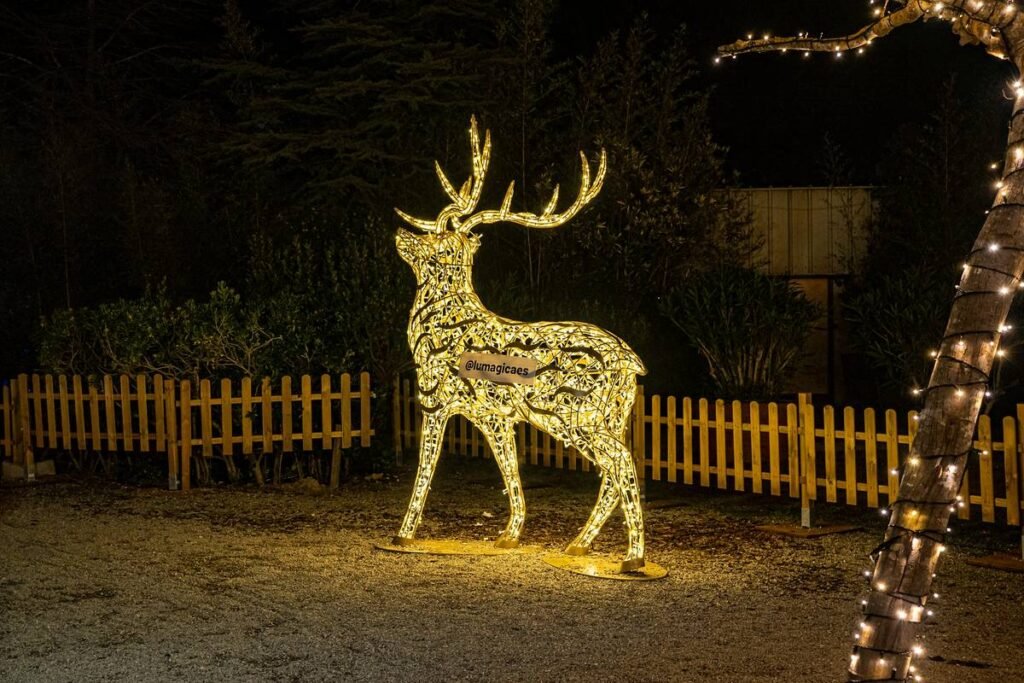
You spent hours stringing lights across the eaves, wrapping garlands around porch columns, and anchoring those oversized candy canes in freezing mud. Then—flick the switch—and half your display flickers or dies by 9 p.m. Sound familiar? The culprit isn’t faulty bulbs or cheap wiring. It’s voltage mismatch. Here’s the fix: a properly sized low voltage transformer.
The Hidden Flaw in Most Outdoor Christmas Setups
Most homeowners plug strands of LED or incandescent mini-lights directly into standard 120V household outlets. On paper, that works—until you add distance, moisture, and dozens of fixtures. Voltage drops over long cable runs. What starts as 120V at the outlet becomes 90V or less by the time it reaches the far end of your roofline. Result? Dim lights, inconsistent color temperatures, and premature burnout.
And don’t forget safety. Running high-voltage wiring through wet grass, near gutters, or under snow is a shock hazard waiting to happen. Insurance won’t care that your display looked “magical.” They’ll cite code violations.
How to Power Your Outdoor Christmas Decorations Safely & Efficiently
Switching to a low voltage transformer isn’t just about compliance—it’s about performance. These devices step down household current to 12V or 24V, which is safer, more stable, and far more forgiving over distance. Here’s how to do it right:
Step 1: Calculate Total Wattage
Add up the wattage of every light strand, projector, and animated decoration you plan to run simultaneously. Don’t guess. Check labels. A single 50-count LED strand might draw 5W—but 20 of them? That’s 100W already.
Step 2: Choose the Right Transformer Size
Pick a transformer rated for at least 20% more than your total load. Under-sizing causes overheating and short cycles. Over-sizing gives headroom for future additions—and peace of mind.
Step 3: Plan Your Wiring Layout
Low-voltage systems use thicker gauge wire (typically 14–18 AWG) to minimize resistance. Run a main trunk line from the transformer, then tap off branches to individual zones. Avoid daisy-chaining beyond manufacturer limits.
| Power Method | Max Safe Distance | Energy Efficiency | Upfront Cost | Ideal For |
|---|---|---|---|---|
| Standard 120V Plug-In | 25 ft per strand | Moderate | £0 (uses existing outlets) | Small porches, minimal displays |
| Low Voltage Transformer (12V) | 150+ ft with proper gauge | High | £60–£150 | Full-house wraps, lawn scenes, commercial effects |
| Solar-Powered Strings | Varies (weather-dependent) | Low output | £20–£80 | Accent lighting only—never primary illumination |

The Industry Secret No Retailer Tells You
Here’s what lighting contractors whisper on job sites: most “weatherproof” outdoor transformers sold at big-box stores aren’t truly sealed. Rain sneaks in through vent holes. Condensation builds up overnight. Within two seasons, the internal coil corrodes—and your £120 investment fries.
The fix? Look for an IP67 or IP68 rating—not just “outdoor rated.” Better yet, mount your low voltage transformer in a ventilated but covered enclosure (like a modified junction box with weep holes). I’ve kept units running flawlessly for seven winters using this trick. No electrician needed.
Think about it: your display lasts longer, uses less power, and won’t trip breakers during peak holiday nights. The math is simple.
FAQs About Low Voltage Transformers for Christmas Lights
Do I need a low voltage transformer for LED Christmas lights?
Yes—if you’re running long runs (over 50 ft) or combining multiple strands. LEDs are efficient but still suffer from voltage drop, causing dimming at the end of the line.
Can I plug a low voltage transformer into an extension cord?
Only if the extension cord is heavy-duty (12–14 AWG) and rated for outdoor use. Never daisy-chain multiple thin cords—that’s how fires start.
How far can I run 12V Christmas lights from a transformer?
With 14 AWG wire, you can safely run up to 200 ft without noticeable voltage drop. Use 18 AWG for shorter runs under 75 ft to save cost.