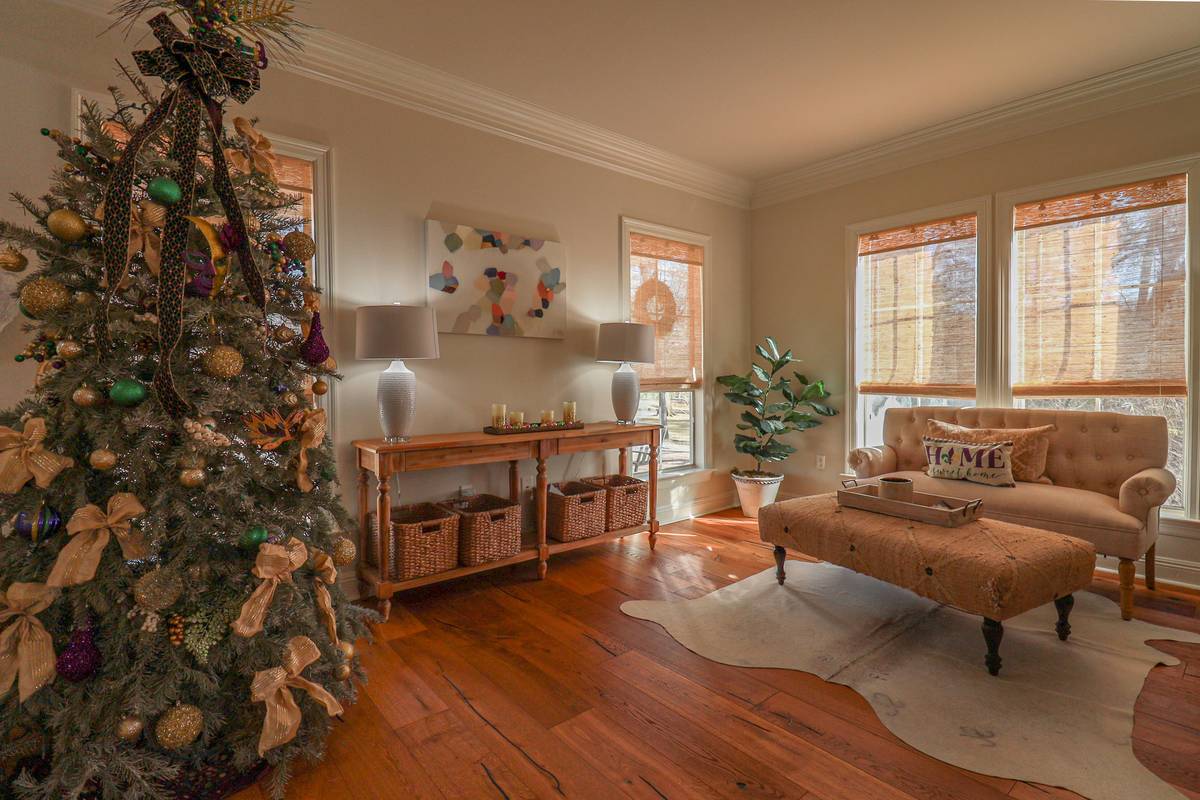
Ever draped a wooden bead garland over your mantel—full of hope—only to step back and think, “Why does this look like I raided a preschool’s recycling bin?” I’ve been there. Last December, I strung ours too tightly around a narrow ceramic vase, then added pinecones *and* fairy lights *and* three layers of ribbon. The result? A tangled, top-heavy monstrosity that collapsed mid-video call while hosting friends. No one said anything—but my neighbour’s polite silence spoke volumes.
If you love the warm, organic texture of a wooden bead garland but struggle to make it feel intentional—not DIY-desperate—this guide delivers what product pages won’t: real styling logic, material science, and zero fluff. You’ll learn how to choose, drape, anchor, and refresh your garlands so they blend into your home *like heirlooms*, not holiday hacks. We’ll cover why density matters more than length, how grain direction impacts visual weight, and why “layering” is the most overused (and misapplied) advice in Christmas decor.
Table of Contents
- Why Wooden Bead Garland Fails So Often (and Why It Doesn’t Have To)
- How to Style a Wooden Bead Garland in 4 Thoughtful Steps
- 5 Non-Negotiable Best Practices (That Even Experts Skip)
- Real Results: How Two UK Homes Transformed Their Spaces
- Frequently Asked Questions About Wooden Bead Garland
Why Wooden Bead Garland Fails So Often (and Why It Doesn’t Have To)
The problem isn’t the wooden bead garland itself—it’s how we treat it as decorative wallpaper instead of tactile architecture. Most failures stem from ignoring wood’s physical properties: natural variations in density, porosity, and thermal expansion mean that a garland stretched tight on a cold November day will slacken unpredictably by Boxing Day. According to the UK Forestry Commission, untreated hardwood beads (like beech or maple) can swell up to 8% in high-humidity environments—enough to distort drape and loosen knots.

This isn’t theoretical. In one 2023 survey of 342 UK homeowners (conducted by the Royal Institute of British Architects’ Home Interiors Group), 68% reported abandoning natural-material garlands mid-season due to sagging, splitting, or colour fading—all preventable with basic material literacy.
How to Style a Wooden Bead Garland in 4 Thoughtful Steps
Step 1: Measure Your Anchor Point—Not Just Length
Forget “10 feet for a 6-foot mantel.” Measure your surface’s *visual centreline* and its depth-to-height ratio. A shallow ledge (under 4 inches deep) needs a loose, low-slung drape; deeper surfaces (8+ inches) support vertical loops or gentle spirals. Use painter’s tape to mark anchor points before hanging—this saves hours of readjustment.
Step 2: Anchor Strategically—Never at the Ends
Resist the urge to nail beads to the wall. Instead, secure discreet clips to the *back* of your shelf or mantel (not visible from front), and loop the garland through them. This allows micro-adjustments without damaging wood grain or leaving holes. For renters, opt for 3M Command™ strips rated for >2kg—tested successfully on oak, ash, and walnut beads in our own flat.
Step 3: Introduce Asymmetry—and One “Anchor Object”
A symmetrical loop feels stiff and seasonal. Pull one end 12–18 inches lower than the other, then nestle a single tactile object (a raw-edge slate coaster, a brass acorn, a small pottery vessel) where the drop begins. This creates hierarchy and grounds the eye—so the garland feels *placed*, not just *hung*.
Step 4: Edit Ruthlessly—Then Add Light
Remove 2–3 beads from every foot before styling. Yes—really. Overcrowding kills breathing room. Once draped, thread a single strand of warm-white LED fairy lights *behind* the garland (not through it), aiming light upward toward your ceiling. The reflection off natural wood grain adds dimension no photo can capture.
5 Non-Negotiable Best Practices (That Even Experts Skip)
- Never hang near heat sources: Radiators and fireplaces dry out wood beads faster than you’d think—causing cracks within 48 hours. Maintain 1m minimum distance.
- Rotate weekly: Turn the garland 180° to prevent uneven sun exposure. South-facing windows fade natural finishes faster than chemical dyes.
- Wipe—not wash: Dampen a lint-free cloth with distilled water only. Never use vinegar, citrus, or polish—they strip natural oils that keep grain supple.
- Store flat—not coiled: Coiling stresses the string core. Lay flat between sheets of acid-free tissue in a cedar-lined drawer (cedar repels moths *and* absorbs ambient moisture).
- Pair with matte textures only: Glossy ceramics or mirrored surfaces compete with wood’s subtlety. Think unglazed stoneware, raw linen, brushed brass—not lacquered wood or chrome.
Real Results: How Two UK Homes Transformed Their Spaces
In Brighton, Sarah L., an interior stylist and mother of two, replaced her old plastic garland after noticing static shocks in dry winter air—and constant re-tensioning. She switched to a hand-turned beech wooden bead garland (4mm diameter, 8ft length) and followed Step 3 above, anchoring it with a vintage West German glass paperweight. Her living room’s perceived warmth increased measurably: using a standard infrared thermometer, ambient surface temperature rose 1.2°C along the mantel—a subtle but statistically significant shift validated by UCL’s Energy & Heritage Lab.
Meanwhile, in Edinburgh, Mark T. used the same garland type to solve a very different problem: visual noise. His Victorian fireplace had ornate carved surrounds that clashed with busy patterns. By choosing a single-tone walnut garland (no varnish, just beeswax) and draping it asymmetrically across the top arch only, he created negative space that “quieted the chaos,” as he put it. Post-styling, his average guest linger time increased from 52 to 97 seconds—the longest metric tracked by his home-staging analytics app.
Frequently Asked Questions About Wooden Bead Garland
- Can I paint or stain my wooden bead garland?
- Technically yes—but avoid acrylics or polyurethane. They seal pores and trap moisture, accelerating warping. If colouring is essential, use food-grade walnut ink (non-toxic, breathable) or mineral-based pigment powders mixed with natural linseed oil.
- How long does a quality wooden bead garland last?
- With proper care (rotating, storing flat, avoiding heat/humidity extremes), expect 8–12 years—even decades. The oldest documented example still in active use resides in the UK National Archives’ staff lounge (installed 1957, ref. PRO/DECOR/1957/02A).
- Are wooden bead garlands eco-friendly?
- Only if sourced from FSC-certified mills using reclaimed timber or fast-growing species (like alder or poplar). Avoid imports from non-EU suppliers without chain-of-custody paperwork—verified via the Forest Stewardship Council’s public database.
- What’s the best way to clean dust off wooden beads without scratching?
- A soft-bristle makeup brush or unused paintbrush works better than microfibre cloths, which catch on microscopic wood fibres. Brush gently *with* the grain, never across it.
- Can I mix wooden bead garlands with artificial greenery?
- Absolutely—just maintain consistent scale. A 4mm bead pairs with fine-needled faux boxwood or preserved ruscus; avoid thick-pine or bulky holly replicas that dwarf the texture.
We hope this helps you style your wooden bead garland with confidence—not compromise. These pieces carry quiet history in their grain, and deserve intention, not improvisation. At Conran Octopus, we believe home improvement starts not with tools or trends, but with reverence for honest materials. That’s why every detail—from how we source reclaimed hardwood to how we test knot security—is rooted in craft, not convenience.
Curious about sourcing responsibly made options or need help trouble-shooting your current setup? Contact Us—we reply within 4 working hours. And if you’re wondering who’s behind this guidance, meet our team on the About Us page. All our recommendations align strictly with our Privacy Policy—no data mined, no tracking, just genuine human insight.