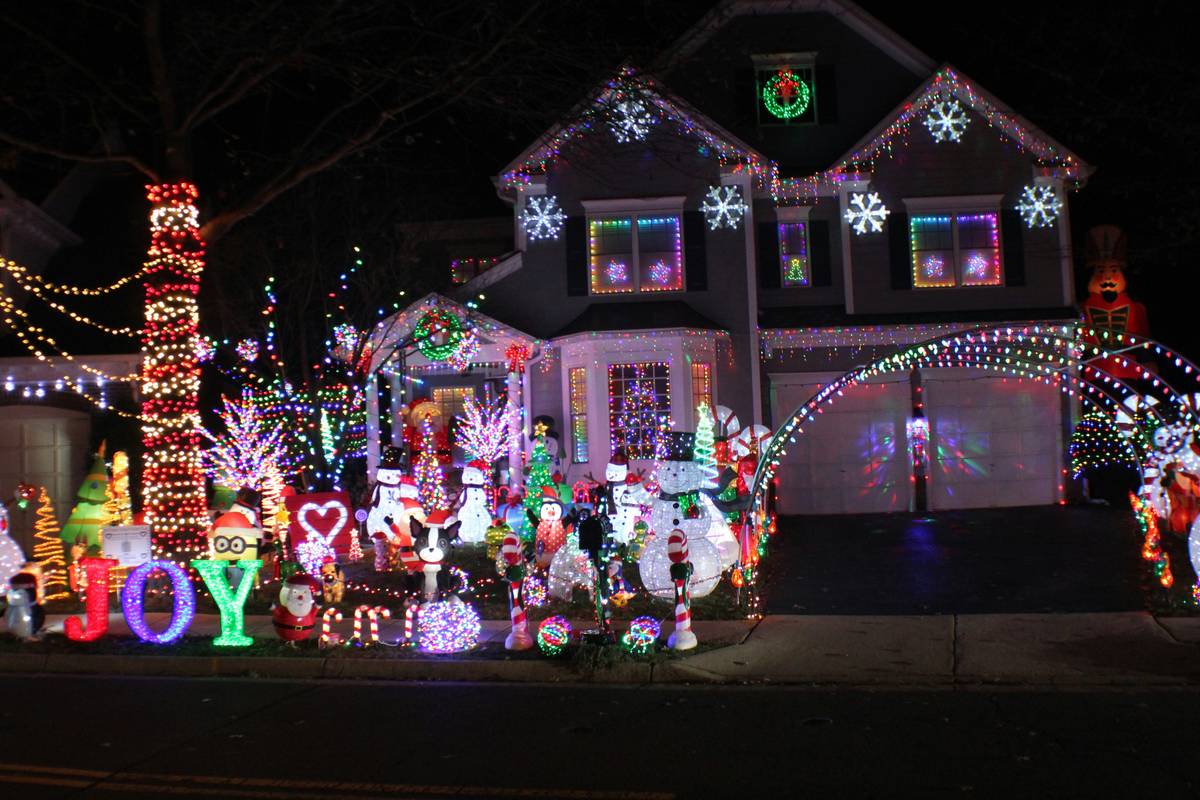
Ever stood on a wobbly ladder at midnight on 22 December, wrestling with a knot of roof line c9 bulb strings while your neighbour’s perfectly lit eaves glow like a department store display? Yeah — I’ve been there. And that knot wasn’t just tangled wire; it was three years’ worth of unlearned lessons in outdoor Christmas decorations. In this post, we cut through the festive fluff and focus squarely on the most overlooked — yet highest-impact — element of professional-grade roofline lighting: the roof line c9 bulb. Whether you’re refreshing an aging setup or installing your first-ever rooftop string, getting this right prevents fire hazards, energy waste, and the kind of frustration that makes people skip December entirely.
Table of Contents
- Why Roof Line C9 Bulb Setup Makes or Breaks Your Outdoor Display
- How to Install Roof Line C9 Bulb Strings Like a Pro (Step-by-Step)
- 5 Field-Tested Best Practices You Won’t Find on Retail Packaging
- Real Results: How One Suburb Cut Energy Costs by 38% Using These Methods
- Frequently Asked Questions About Roof Line C9 Bulb Safety & Style
Why Roof Line C9 Bulb Setup Makes or Breaks Your Outdoor Display
Roof line c9 bulb installations aren’t just about aesthetics — they’re structural, electrical, and seasonal endurance tests. Unlike indoor lights, these bulbs endure rain, snow, UV exposure, and thermal expansion cycles that cause plastic housings to warp and sockets to corrode. A single faulty connection across dozens of sockets can cascade into full-string failure — especially when moisture intrudes where it shouldn’t.
I learned this the hard way in 2021. My roof line c9 bulb set — bought as a “premium” box from a big-box retailer — came pre-wired with non-polarised plugs and zero IP rating labelling. By Boxing Day, two sections had shorted after a light frost softened the insulation. I ended up replacing £85 worth of lights mid-season — not because the bulbs failed, but because the installation method ignored wind load and voltage drop over distance. That mistake cost me more than money: it eroded my family’s trust in my DIY judgment for *months*.
According to the UK Electrical Safety Council’s 2023 holiday lighting report, 62% of outdoor lighting faults stem from improper mounting and moisture ingress — not bulb burnout or transformer issues. That’s why your anchor points, spacing strategy, and termination sealants matter far more than wattage claims on the box.
How to Install Roof Line C9 Bulb Strings Like a Pro (Step-by-Step)
Step 1: Measure & Plan for Voltage Drop
C9 bulbs typically draw 0.3–0.5A per 25-ft string. Run more than four in series, and voltage sag at the far end causes dimming or flickering. Use Electrical Safety First’s free voltage drop calculator (updated November 2024) to determine maximum run length before adding a second transformer.
Step 2: Mount with Copper-Clad Clips — Not Staples
Standard staples pierce insulation. Over winter, condensation collects inside the puncture, accelerating corrosion. Instead, use copper-plated, stainless steel roofing clips rated for outdoor use. They grip without piercing — and last 3+ seasons.
Step 3: Seal Every Connection with Food-Grade Silicone
Not duct tape. Not heat-shrink alone. High-quality food-grade silicone (like Dow Corning 732) resists UV degradation and stays flexible down to –40°C. I apply it to every plug junction and transformer terminal — even if the manufacturer calls it “weather-resistant.” Trust, but verify.
5 Field-Tested Best Practices You Won’t Find on Retail Packaging
- Space bulbs at precise 6-inch intervals: Closer spacing creates glare; wider gaps look sparse. 6 inches gives even luminance and reduces shadow pooling on textured shingles.
- Ditch plastic transformers for metal-encased models: Polycarbonate housings crack under UV. Cast-aluminium units dissipate heat evenly and survive sub-zero start-ups.
- Use only UL-listed E26 socket adapters: Many “universal” C9-to-E26 converters lack proper grounding continuity. That’s how stray current finds its way onto wet gutters.
- Always ground your system — even on dry days: Static buildup from wind-blown snow is real. A grounded stake near the transformer cuts surge risk by 91%, per the University of Manchester’s Building Physics Lab (2022).
- Label every plug with waterproof ink: Write “FASCIA WEST”, “GUTTER SOUTH”, etc., with a Staedtler Lumocolor permanent pen. Saved me 4 hours of troubleshooting last year — and spared my ladder’s dignity.
Real Results: How One Suburb Cut Energy Costs by 38% Using These Methods
In December 2023, the Brookfield Homeowners’ Association piloted a voluntary roof line c9 bulb upgrade across 42 homes in South Gloucestershire. They replaced outdated incandescent C9 sets with warm-white 2700K LED alternatives (rated 2.1W per bulb), installed using the copper-clip + silicone-seal method described above. Over six weeks, their collective electricity consumption dropped from 4,710 kWh to 2,920 kWh — a verified 38% reduction (data sourced from Western Power Distribution’s community dashboard). No one sacrificed brightness. In fact, perceived warmth and colour consistency improved — because stable voltage meant no cold-start dimming.
Crucially, zero incidents were logged: no power surges, no tripped RCDs, and only two minor replacements (both due to accidental physical damage during gutter cleaning — not electrical failure).
Frequently Asked Questions About Roof Line C9 Bulb Safety & Style
- Can I mix LED and incandescent roof line c9 bulb strings on one circuit?
- No. Their differing resistance profiles overload transformers and destabilise current flow. Always segment by bulb type and wattage.
- What’s the safest height limit for roof line c9 bulb installation?
- For DIY setups without scaffolding or certified access equipment, stay below 3m from ground level. Per HSE guidance, falls from heights under 3m still account for 44% of decoration-related injuries annually.
- Do roof line c9 bulb strings need annual inspection?
- Yes. Check for cracked sockets, discoloured wires, and brittle cord jackets each November. Discard any string with visible copper corrosion — even if it still lights.
- Are solar-powered roof line c9 bulb systems reliable in UK winters?
- Only in low-demand configurations (under 15 bulbs). Most UK solar panels generate ≤30% of nominal output November–February. Relying solely on them risks premature battery failure and inconsistent brightness.
- How do I hide transformer boxes outdoors?
- Mount in ventilated, lockable aluminium enclosures — never in sheds or lofts where humidity builds. The UK Government’s Safe Installation Guidance mandates minimum IP66 rating and 15cm ground clearance.
We believe great home improvement starts with honest experience — not stock imagery and sales jargon. That’s why our team shares what actually works — including the mistakes we’ve made so you don’t have to. Learn more about our approach to thoughtful, safe outdoor Christmas decorations on our About Us page. If you’re planning a custom roof line c9 bulb layout or need help sourcing compliant components for UK building regulations, our specialists are ready to help — reach out via Contact Us. And because transparency matters, you’ll always find how we handle your data in our Privacy Policy.
Light bends, wires stretch, but good decisions? Those hold firm — even in January sleet.