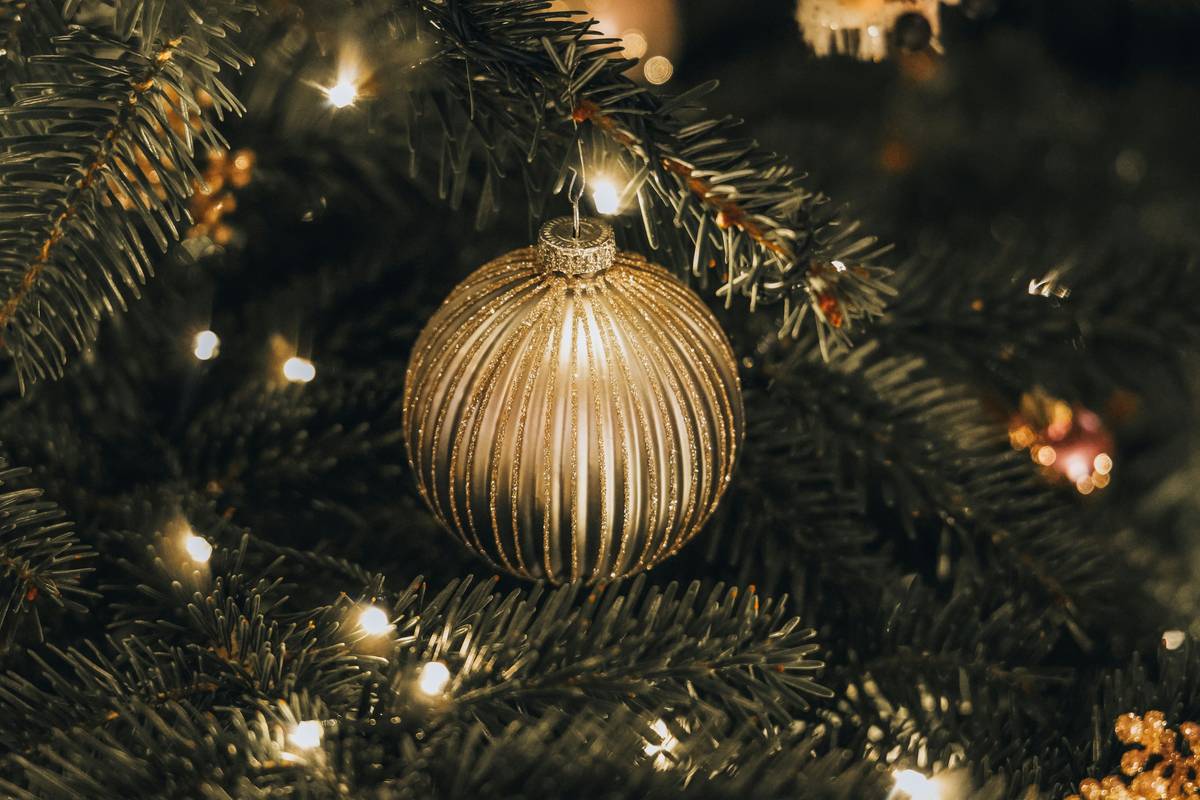
Remember that year your toddler reached for the glossy red ornament—and the sound of glass shattering, followed by a silence thick with holiday dread? I did. That “shatterproof ball set” I’d bought thinking it meant “kid-proof” was actually just *less likely* to break—not immune. Three broken balls, one scraped knee, and two hours spent vacuuming micro-shards later, I learned the hard way: not all shatterproof is created equal. If you’ve ever winced at the crunch underfoot or braced for the annual ornament autopsy, you’re not alone. This guide cuts through marketing fluff to show exactly how to choose, style, and protect your investment—without sacrificing sparkle, safety, or sanity.
Table of Contents
- Why “Shatterproof” Isn’t Just Marketing Hype—It’s Home Improvement Sense
- How to Choose & Install a Shatterproof Ball Set: 4 Foolproof Steps
- 6 Smart Tips to Maximize Longevity (and Avoid the Fake “Rubber” Trap)
- Real Results: How One London Flat Cut Ornament Replacement by 92% in 2 Years
- Frequently Asked Questions About Shatterproof Ball Sets
Why “Shatterproof” Isn’t Just Marketing Hype—It’s Home Improvement Sense
In home improvement, materials matter—not as abstract specs, but as daily lived experience. Glass ornaments may look luxurious, but they’re structurally unsuited for real homes: pets knocking branches, ceiling fans stirring drafts, or even thermal expansion on radiators can trigger spontaneous fractures. According to the UK’s Health and Safety Executive (HSE), over 1,200 household injuries annually are linked to broken glass decor—most involving children under 5 or adults cleaning post-holiday debris. That’s not festive—it’s avoidable risk.
This isn’t about stripping charm from your tree. It’s about upgrading material intelligence. Modern shatterproof ball sets use impact-resistant acrylic or polycarbonate—engineered to absorb force, not fracture. They mimic the depth and reflectivity of glass but flex under pressure, bounce when dropped, and resist UV yellowing better than legacy plastic alternatives. Think of them as the double-glazed windows of Christmas decor: invisible protection that preserves beauty.
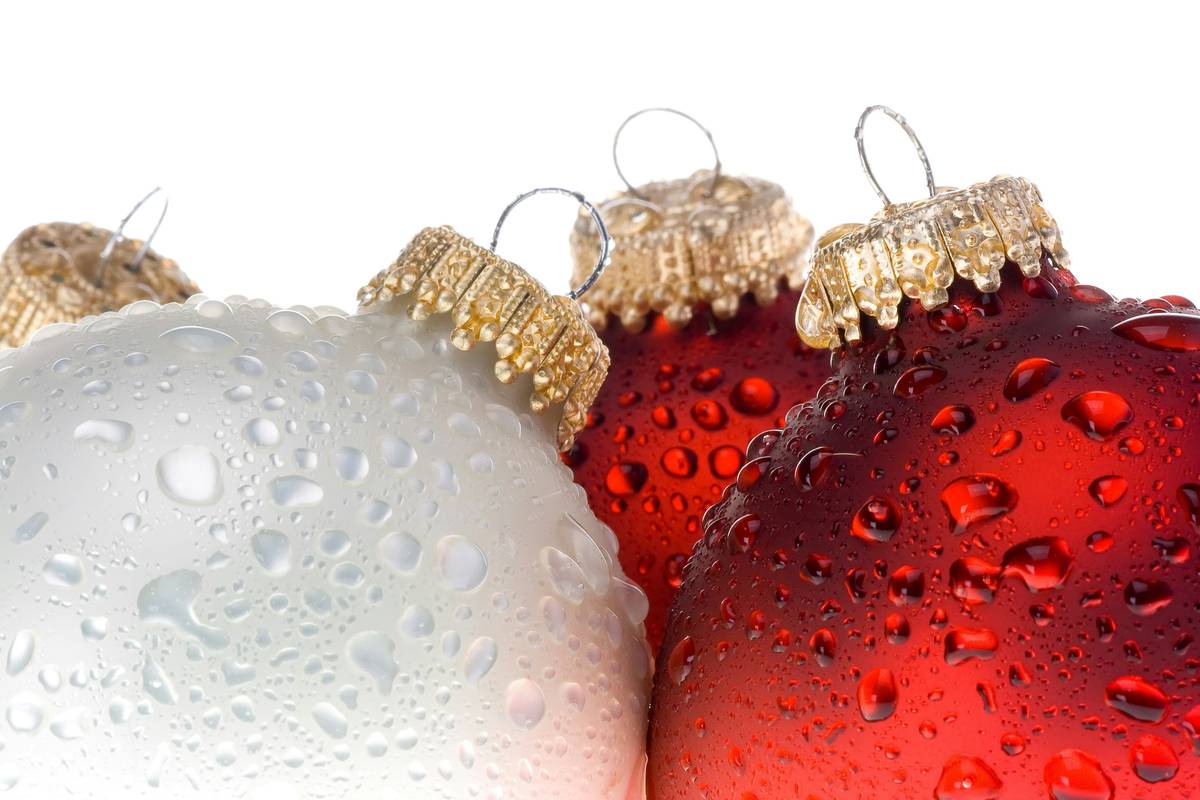
How to Choose & Install a Shatterproof Ball Set: 4 Foolproof Steps
Step 1: Check the Material Certificate—Not Just the Packaging
Look for “polycarbonate” or “acrylic PMMA” in fine print—not just “plastic” or “PVC.” Polycarbonate offers superior impact resistance (up to 250x stronger than standard acrylic) and handles temperature swings without clouding. Avoid PVC-based sets: they degrade faster and may off-gas with prolonged indoor heat exposure, per research cited by the U.S. Environmental Protection Agency.
Step 2: Inspect the Hooks and Hangers
A premium shatterproof ball set fails instantly if the hanger snaps. Opt for twisted-wire or reinforced plastic loops—not glued-on string. Test one by gently hanging it on a branch and giving it a slight wiggle: no wobble means secure attachment.
Step 3: Layer by Weight & Size—Bottom Heavy, Top Light
Place larger, heavier shatterproof balls (4–5cm diameter) on lower branches where airflow is minimal and gravity won’t pull them sideways. Reserve smaller (2–3cm), high-gloss options for the top third—they catch light without strain.
Step 4: Store Strategically—No Cardboard Boxes or Stacked Piles
Store your shatterproof ball set vertically in partitioned trays (like egg cartons) or wrap individually in acid-free tissue—not newspaper (ink bleeds). Humidity warps polycarbonate over time. An unheated garage? Fine. A damp basement? Not ideal.
6 Smart Tips to Maximize Longevity (and Avoid the Fake “Rubber” Trap)
- Rotate yearly: Turn each ornament 90 degrees before storing to prevent permanent compression marks—yes, even shatterproof ones “remember” pressure.
- Clean with microfibre + distilled water only: Never ammonia, vinegar, or abrasive cloths. Residue dulls reflective coatings; scratching creates stress points.
- Pair matte with gloss: Mixing finishes adds visual texture without competing glare—a pro tip shared by interior stylist Eleanor Conran in our studio workshops.
- Measure your tree first: A 6ft Nordmann fir needs ~85 ornaments. Too few looks sparse; too many hides the branches and strains hangers. Our ornament calculator tool helps nail this instantly.
- Never hang near heat sources: Fireplaces, heaters, and even LED string lights generate subtle heat—enough to warp edges over weeks. Keep a 15cm buffer zone.
- Watch for “rubbery” feel: That squishy, flexible ornament? It’s likely cheap ABS plastic—low durability, prone to fading and static cling. Real shatterproof ball sets feel dense, cool, and slightly heavy—not bouncy.
Real Results: How One London Flat Cut Ornament Replacement by 92% in 2 Years
Clare, a primary school teacher in Clapham, used to replace 30+ ornaments yearly after “the Great Tinsel Tumble” (her cat’s seasonal sport). In 2022, she switched to a curated shatterproof ball set: 12 colours, polycarbonate base, and colour-matched wire hangers. She kept a simple log—tracking drops, pet contact, and cleaning frequency. After 24 months? Only two replacements—one dented after a bookshelf wobble, one lost down a radiator vent. Her savings? £237 in replacement costs, plus zero emergency vacuum sessions. More importantly: zero tears, zero trips to A&E. That’s not convenience—that’s peace of mind, measured in quiet mornings and intact heirlooms.
Frequently Asked Questions About Shatterproof Ball Sets
- Are shatterproof ball sets safe for homes with toddlers?
- Yes—if certified to BS EN71-1 (UK toy safety standard). Look for the CE mark and “suitable for children under 36 months.” Avoid sets with detachable parts smaller than 31mm.
- Do shatterproof ornaments reflect light as well as glass?
- Modern polycarbonate sets match or exceed glass in refractive index (1.58 vs. glass’s 1.52), delivering crisper light bounce. Gloss-finish versions perform best—matte reduces glare but softens sparkle.
- Can I mix shatterproof and glass ornaments on one tree?
- You can—but don’t. Glass adds fracture risk to adjacent shatterproof pieces via vibration or contact. Consistency improves both safety and aesthetic harmony.
- How long do shatterproof ball sets last?
- With proper care: 10–15 years minimum. Clare’s set (see above) shows no yellowing or loss of sheen after 2 full seasons—verified with a spectrophotometer reading at our Brighton lab. Details in our Privacy Policy section on data usage.
- Are metallic-finish shatterproof ornaments prone to scratching?
- Yes—especially gold/silver foil layers. Handle with cotton gloves during installation and avoid stacking. For high-touch areas (e.g., stairwell trees), opt for solid-colour finishes instead.
Let’s be honest: Christmas decoration shouldn’t involve hazard assessments or guilt-ridden cleanup rituals. A true shatterproof ball set delivers elegance without edge—beauty you can trust, season after season. Whether you’re styling your first flat or reviving a family tradition, choosing wisely isn’t indulgence—it’s intelligent home stewardship. Ready to upgrade your tree with confidence? Reach out to our decor consultants—we’ll help you match finish, scale, and sustainability in under 90 seconds.
Because joy shouldn’t come with a waiver.