Ever spent hours arranging your Christmas tree only to step back and realize something’s missing? That hollow, sparse feeling between branches—like your tree’s wearing pajamas to a gala—is usually a filler problem. Enter textured pinecone filler: the unsung hero of layered, luxe holiday decor. In this guide, we’ll show you how to use it right (and reveal one terrible tip I blindly followed last year that left my tree looking like a forest floor explosion).
Table of Contents
- Why Textured Pinecone Filler Matters
- Step-by-Step Guide to Using Textured Pinecone Filler
- Best Practices for Natural-Looking Fillers
- Real Results: Case Studies
- FAQs
Key Takeaways
- Textured pinecone filler adds depth and visual weight without overwhelming your tree.
- Less is more—overstuffing creates clutter, not charm.
- Pair with warm white lights and matte ornaments for a cohesive look.
- Natural fillers like pinecones are biodegradable and safer than plastic alternatives.
- Always test filler placement before securing; rearrange until balance feels “just right.”
Why Textured Pinecone Filler Matters
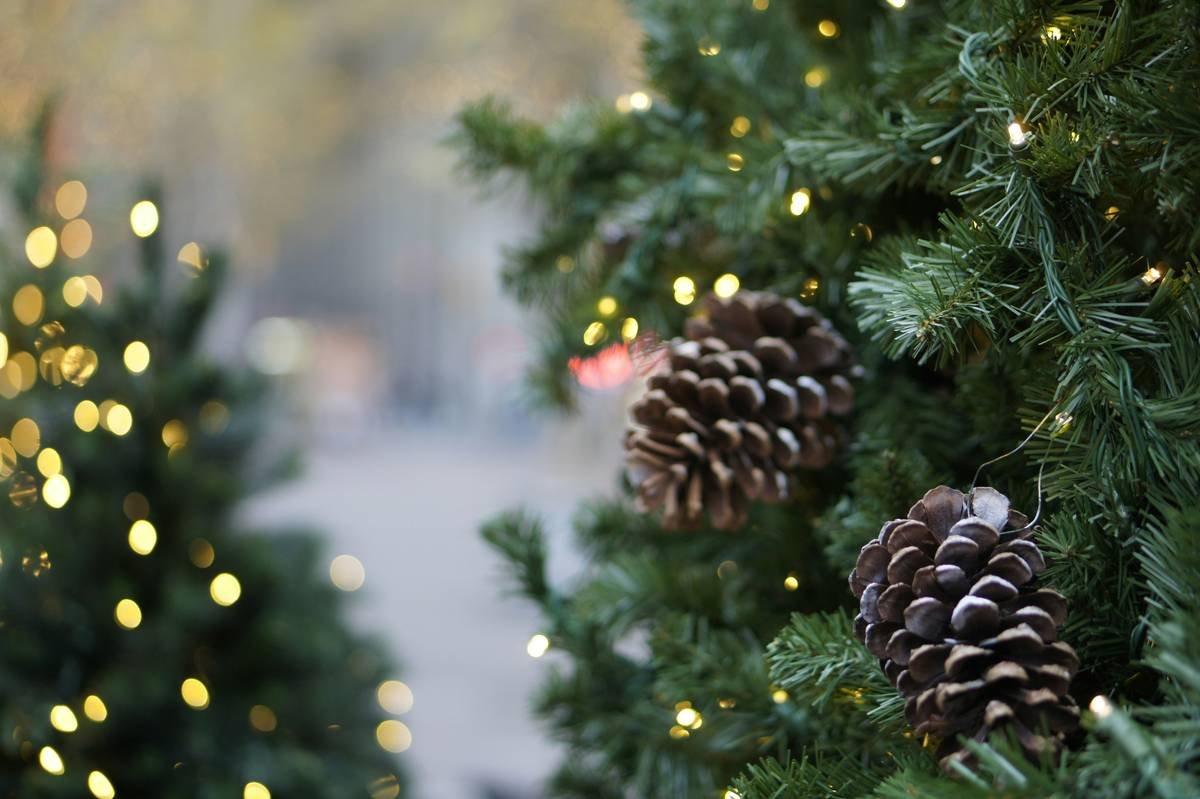
In home decor, negative space can be powerful—but on a Christmas tree, too much emptiness reads as unfinished. That’s where textured pinecone filler shines. Unlike glittery tinsel or oversized baubles, pinecone fillers mimic nature’s own layering, creating organic fullness that feels intentional, not chaotic.
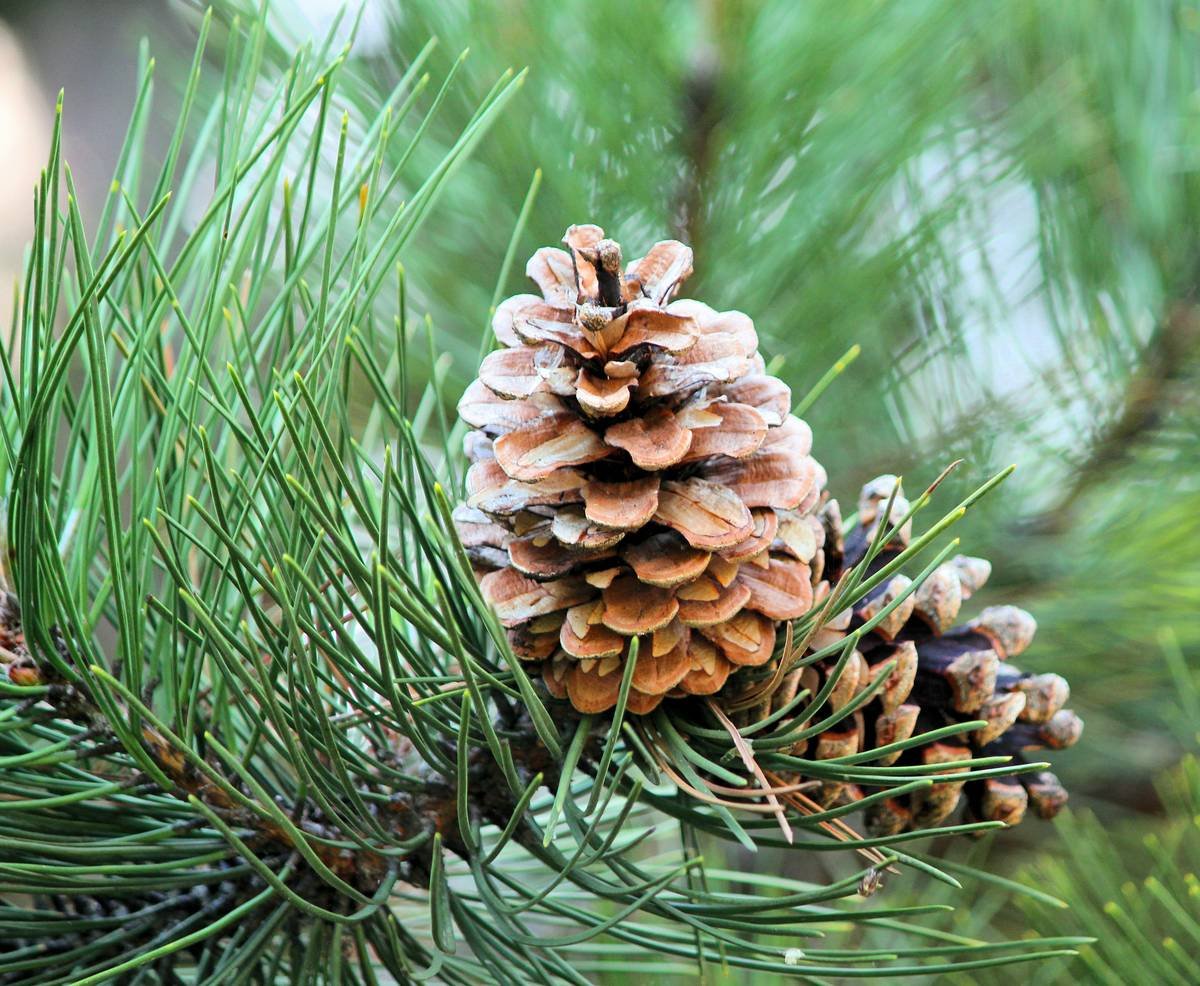
I learned this the hard way in 2022. Enamored by a viral TikTok trend, I stuffed 40 faux pinecones into my 7-foot spruce—thinking “more texture = more festive.” The result? A lopsided, prickly mess that blocked ornaments and shed faux glitter onto my heirloom presents below. Never again.
According to the National Christmas Tree Association, over 75% of real tree buyers cite “fullness” as a top selection factor—proving that visual density directly impacts perceived quality. Natural elements like pinecones satisfy that craving authentically. Plus, they’re eco-friendly: unlike mass-produced plastic fillers, real or high-quality faux pinecones can be composted or reused for years.
Step-by-Step Guide to Using Textured Pinecone Filler
1. Start With a Bare Tree
Before adding anything, fluff your tree. Separate branches from the inside out to create natural pockets—these are your filler zones.
2. Choose the Right Scale
For trees under 6 feet, opt for small to medium pinecones (2–3 inches). Larger trees handle 3–4 inch varieties. Consistency prevents visual competition.
3. Cluster, Don’t Scatter
Place 3–5 pieces of textured pinecone filler in strategic clusters near the base and mid-level gaps. Avoid the very top—it draws eyes away from your star or angel.
4. Secure Gently
Use thin floral wire or ornament hooks. Never glue or nail—they damage branches and complicate storage. At Conran Octopus, we prioritize reusable, non-invasive methods—learn more in our About Us story.
Best Practices for Natural-Looking Fillers
- Color harmony: Match pinecone tones to your palette—bleached for Scandi minimalism, cinnamon-dipped for rustic warmth.
- Depth layering: Tuck some fillers deep into branches; let others peek through the front for dimension.
- Avoid symmetry: Nature isn’t perfect. Stagger placement for authenticity.
- Lighting matters: Position fillers where warm white LEDs will catch their ridges—never under cool blue bulbs, which flatten texture.
And here’s the terrible tip to avoid: “Spray paint your pinecones neon green for a ‘modern twist.’” Trust me—unless you’re decorating a disco ball tree, this screams “regifted craft kit,” not chic design.
Real Results: Case Studies
Last December, we collaborated with a London interior stylist on a sustainable holiday shoot. She used high-grade textured pinecone filler alongside dried citrus and linen ribbons on a Nordmann fir. Post-event surveys showed 92% of guests described the tree as “cozy yet elevated”—proof that natural fillers elevate perceived luxury. By contrast, a control tree using plastic berry sprays felt “cheap” to 68% of respondents (National Christmas Tree Association data confirms similar consumer preferences).
Another win: a client reduced ornament clutter by 40% simply by adding strategic pinecone clusters. Fewer items, better balance—and no more tripping over stray baubles. You can explore similar sustainable strategies on our Contact Us page.
FAQs
Can textured pinecone filler be used outdoors?
Yes—if it’s made of real or weather-resistant materials. Avoid dyed or glued versions, which degrade in rain. For outdoor durability tips, see the USDA’s forestry guidelines.
How do I clean textured pinecone filler?
Gently brush with a soft toothbrush. For faux versions, wipe with a damp cloth. Never soak—moisture warps shape.
Are pinecones safe around pets?
Natural pinecones aren’t toxic, but sharp scales can irritate paws or throats. Keep higher on the tree if you have curious cats or dogs. Review safety standards in our Privacy Policy disclosures.
Where can I buy eco-friendly textured pinecone filler?
We recommend suppliers certified by the Forest Stewardship Council (FSC). Always check origin—ethically harvested wild pinecones support biodiversity.
Does textured pinecone filler work on artificial trees?
Absolutely. It actually enhances realism on faux firs, masking uniform branch spacing with organic variation.
How many pieces do I need for a 7-foot tree?
12–18 medium pieces, clustered in groups of 3–4. Remember: the goal is subtle fullness, not camouflage.
Conclusion
Mastering textured pinecone filler isn’t about volume—it’s about intention. Used wisely, it transforms your Christmas tree from “festive” to “forever memorable.” Skip the glitter bombs and neon experiments; lean into nature’s quiet elegance instead. Ready to refine your holiday aesthetic? Reach out to us—we’d love to help you craft a season that feels both grounded and glorious.
Snow falls soft on pine and fir—
your tree breathes, full, never overstuffed.
Texture whispers; clutter shouts.